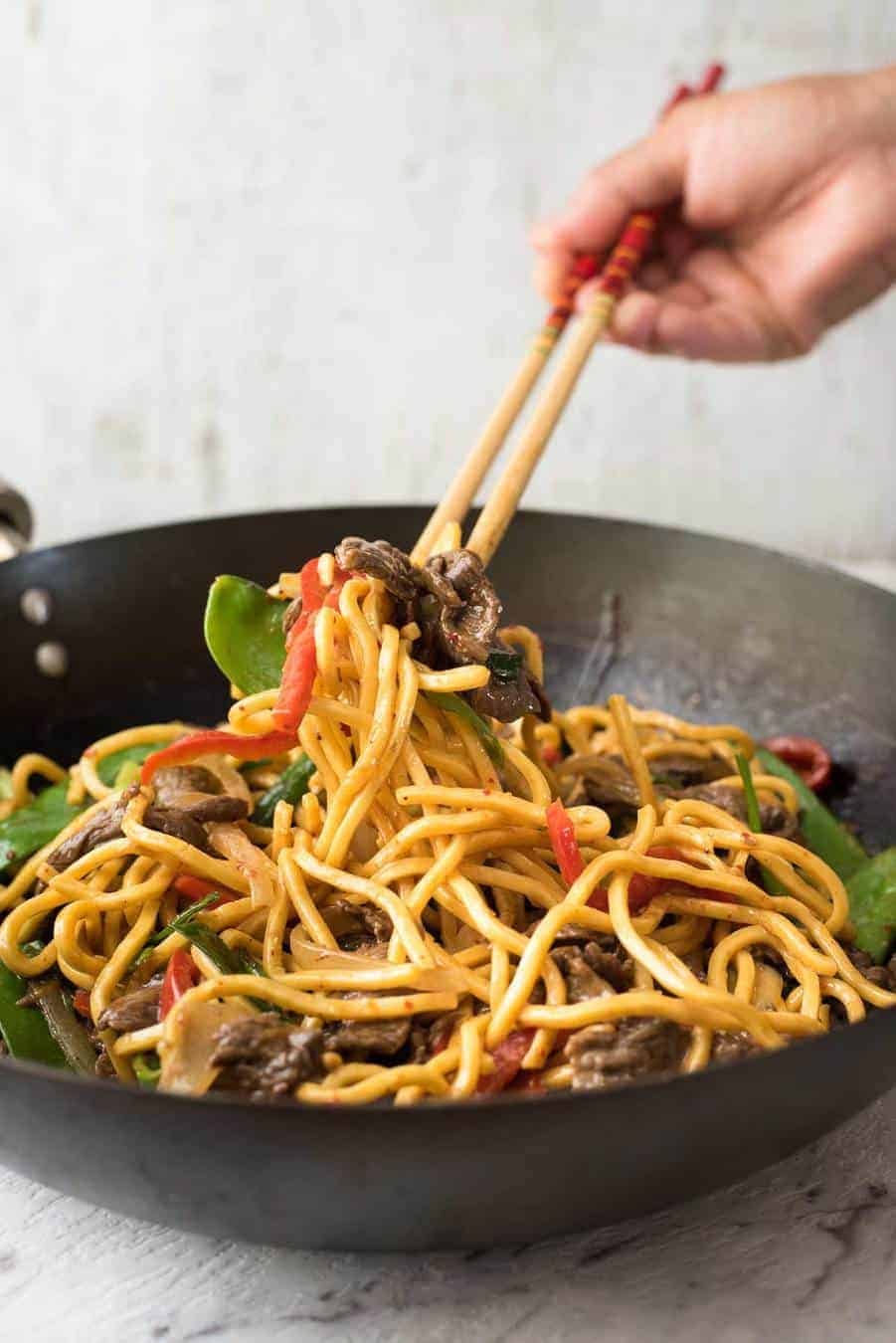
Build Your Own Stir Fry Noodles: Any Ingredient, Any Noodle – Your Ultimate Weeknight Recipe
Picture this: it’s the end of a long day, and the thought of cooking dinner feels like a monumental task. The allure of takeout is strong, but so is the desire for something healthier, faster, and truly satisfying. Enter the customizable stir fry noodles recipe – a culinary superhero ready to rescue your weeknight meals. This isn't just another dinner; it’s a Class-A Weeknight Wonder that allows you to transform whatever ingredients you have on hand into a vibrant, flavorful dish, often in under 30 minutes.
Gone are the days when a stir fry meant a heavy, sugary sauce, too much oil, and scarce vegetables. While stir-frying as a cooking technique originated in China and has spread globally, inspiring countless regional variations, our modern home version embraces adaptability and health without sacrificing an ounce of flavor. This guide will empower you to craft your own stir fry noodles without needing a strict recipe, using a simple "formula" that guarantees delicious results every time. It’s a blank canvas for your creativity, promising a meal that easily bests any takeout carton.
The Anatomy of Your Perfect Stir Fry Noodles: A Flexible Formula
The beauty of building your own stir fry noodles lies in its inherent flexibility. Think of it less as a rigid recipe and more as a dynamic culinary blueprint. This approach lets you confidently combine diverse ingredients, knowing the core principles will guide you to a fantastic meal. The essence is a harmonious balance of four key components: a savory sauce, your choice of protein, an abundance of fresh vegetables, and, of course, the star of the show – versatile noodles.
This method truly shines when you're looking to create a dish that's both deeply satisfying and lighter than typical restaurant fare. By controlling the oil and sugar, and loading up on nutritious vegetables, you’re creating a meal that supports your well-being while still delivering that comforting, familiar flavor profile. It's a testament to how the versatile noodle stir fry recipe can be adapted to fit any dietary preference or pantry situation, making it a staple for any home cook.
Crafting Your Signature Stir Fry Sauce
The sauce is the heart of any good stir fry, providing the depth of flavor that ties all your ingredients together. Forget pre-made, often overly sweet or salty sauces; making your own is simple and allows for complete control over the taste profile. A basic, balanced stir fry sauce is built on a few core ingredients:
- Soy Sauce: The umami backbone. Use low-sodium for better control, or tamari for a gluten-free option.
- Sesame Oil: Adds a rich, nutty aroma. Best used as a finishing oil.
- Rice Vinegar: Provides a crucial acidic lift, balancing richness and sweetness.
- Aromatics: Freshly minced ginger and garlic are non-negotiable for authentic flavor.
- Sweetener: A touch of honey, maple syrup, or brown sugar balances the savory and tangy notes. Start small and adjust to your preference.
- Cornstarch Slurry: A small amount (1-2 tsp cornstarch mixed with an equal part cold water) added at the end thickens the sauce, helping it cling beautifully to the noodles and other ingredients.
Customization is Key: Feel free to experiment! A dash of Sriracha or chili flakes for heat, a spoon of oyster sauce or hoisin for added complexity, or even a squeeze of fresh lime juice for brightness can elevate your sauce to new heights. Always taste and adjust before adding to the pan – this ensures your stir fry is perfectly seasoned to your liking.
Noodle Know-How: The Foundation of Your Stir Fry
The choice of noodle can significantly impact the texture and overall experience of your stir fry. The goal is a noodle that can hold its own against vigorous tossing in the pan and absorb all that delicious sauce. While countless varieties exist, here are some top contenders:
- Japanese Udon Noodles: These thick, chewy wheat noodles have a wonderfully neutral flavor, making them ideal for soaking up your stir fry sauce. Their robust texture handles high heat and tossing with ease.
- Soba Noodles: Made from buckwheat flour, soba noodles offer a slightly earthy flavor. They cook quickly and bring a unique taste dimension to your dish.
- Chinese Egg Noodles (Lo Mein Style): Often found fresh or dried, these thick, springy noodles are classic for a reason. They have a satisfying bite and are designed for stir-frying.
- Italian Pastas (Spaghetti, Linguine, Fettuccine): Don't underestimate the power of your pantry! Long, sturdy Italian pastas are an excellent, accessible substitute. They hold up incredibly well and absorb sauce beautifully. In fact, many home cooks find themselves reaching for spaghetti 95% of the time.
- Rice Noodles: These cook incredibly fast and offer a delicate, soft texture. However, they can be more fragile and prone to breaking. If you opt for rice noodles, consider adding them to the stir fry at the very last minute, just before serving, to maintain their integrity.
For enhanced nutritional benefits, consider whole grain versions of wheat-based noodles where available. Our preferred method for this stir fry noodles recipe borrows the best from both worlds: the noodles are par-cooked and then finish cooking directly in the hot pan with the sauce, much like chow mein, but with the delightful sauciness typically associated with lo mein. This technique ensures maximum flavor absorption and perfect al dente texture.
A Rainbow of Flavor: Proteins & Vegetables for Every Palate
This is where your refrigerator truly becomes your muse. The beauty of a homemade stir fry lies in its ability to utilize almost any protein and vegetable you have on hand, transforming potential food waste into a culinary triumph. The key is to cut everything into similar-sized pieces to ensure even cooking.
Versatile Protein Options:
- Chicken: Thighs (juicier, more forgiving) or breast (leaner), thinly sliced against the grain.
- Beef: Flank steak, sirloin, or even ground beef work wonderfully. Slice thin for quick cooking.
- Pork: Tenderloin or thinly sliced loin are excellent choices.
- Shrimp: A fantastic quick-cooking option, perfect for last-minute meals.
- Tofu: Extra-firm tofu, pressed to remove excess water, then cubed or sliced and seared until golden, adds a satisfying texture and absorbs flavors beautifully.
- Tempeh: Another plant-based option, offering a firmer texture and nutty flavor.
- Eggs: Scrambled directly into the stir fry, or fried and sliced as a topping, they add richness and protein.
An Abundance of Vegetables:
Don't be shy; load up your stir fry! The more vegetables, the healthier and more vibrant your dish. Aim for a mix of textures and colors.
- Leafy Greens: Bok choy, spinach, kale, napa cabbage. Add these towards the end as they wilt quickly.
- Cruciferous Veggies: Broccoli florets, cauliflower, shredded cabbage, Brussels sprouts (halved).
- Alliums: Sliced onions (yellow, red, green), leeks.
- Peppers: Bell peppers of any color (sliced), jalapeños for a kick.
- Root Vegetables: Carrots (julienned or thinly sliced), daikon radish.
- Other Favorites: Mushrooms (shiitake, cremini), snap peas, snow peas, green beans, corn kernels, water chestnuts, bamboo shoots, edamame.
Remember the golden rule: harder vegetables (like broccoli, carrots) go into the hot pan first, followed by softer, quicker-cooking ones (like bell peppers, mushrooms, leafy greens). This layering ensures everything reaches that crisp-tender perfection that defines a great stir fry. This mix-and-match approach is what makes this a truly quick & healthy stir fry noodles meal.
The Art of the Stir Fry: Technique and Assembly
With your ingredients prepped and your sauce mixed, the actual cooking process is remarkably fast. This is where the magic happens:
- Mise en Place is Key: Before you even turn on the heat, have *all* your ingredients prepped – proteins sliced, vegetables chopped, noodles par-cooked, and sauce mixed. Stir-frying is a rapid process, and you won't have time to chop mid-cook.
- Heat Your Pan: Use a large skillet, cast-iron pan, or a traditional wok. Heat it over high heat until it's smoking slightly. Add a small amount of high smoke point oil (like vegetable, canola, or grapeseed oil).
- Cook Protein: Add your protein in a single layer and sear quickly until browned and mostly cooked through. Remove it from the pan to avoid overcooking.
- Stir Fry Vegetables: Add harder vegetables first (e.g., broccoli, carrots), stir-frying for 2-3 minutes. Then, add softer vegetables (e.g., bell peppers, mushrooms, leafy greens) and cook for another 1-2 minutes until crisp-tender.
- Combine & Sauce: Return the cooked protein to the pan. Add your par-cooked noodles and pour in your prepared stir fry sauce. Toss everything vigorously to combine, allowing the noodles to finish cooking and absorb the delicious sauce. If using rice noodles, add them now and toss gently.
- Serve Immediately: Garnish with sesame seeds, chopped green onions, or a drizzle of extra sesame oil, and serve hot.
The beauty of this method is that it marries the best of traditional Chinese stir-frying techniques – high heat, minimal oil, quick cooking – with the home-cook's need for simplicity and adaptability. You get that satisfying, saucy texture akin to lo mein, but with noodles that get a final crisp-tender finish directly in the pan, like a classic chow mein. It’s a guaranteed crowd-pleaser that delivers on both flavor and convenience.
Embrace the freedom of building your own stir fry noodles. This foundational stir fry noodles recipe is more than just a meal; it's an invitation to explore your pantry, unleash your creativity, and consistently put delicious, healthy, and incredibly fast dinners on the table. Say goodbye to dull dinners and hello to a world of endless stir-fry possibilities!
