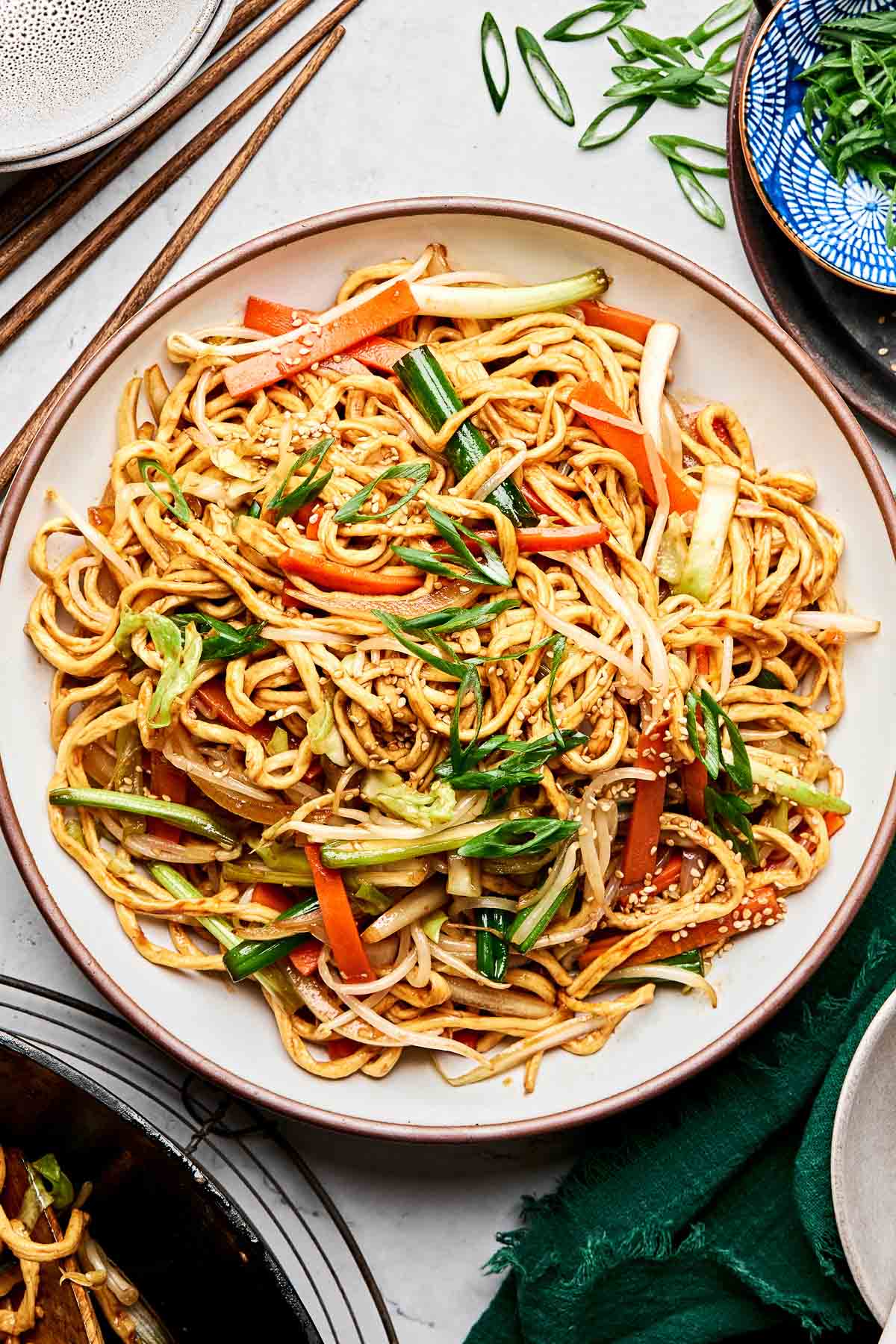
Beyond Takeout: The Versatile Noodle Stir Fry Recipe You Need
Are you tired of the dinner dilemma, searching for a meal that's both quick and satisfying? Imagine a dish that comes together in under 30 minutes, is bursting with fresh vegetables and your favorite protein, and tastes infinitely better than any takeout carton. We're talking about the ultimate weeknight wonder: a homemade stir fry noodles recipe that redefines convenience and flavor. This isn't just another meal; it's a culinary canvas waiting for your personal touch, transforming your kitchen into a hub of vibrant, healthy eating.
For many, the mention of "stir fry noodles" might conjure images of mall food court classics or the sugary, oil-laden versions from the grocery store's takeout aisle. While those certainly have their nostalgic charm, they often fall short on nutrition and fresh ingredients. Today, we're delving into a version that celebrates the spirit of authentic stir-frying – minimal oil, crisp-tender textures, and a wealth of vegetables – while still delivering that comforting, saucy satisfaction we all crave. It’s a hybrid approach, offering the best of both worlds, and proving that a truly incredible noodle stir fry is well within reach for every home cook.
Debunking Myths: What Defines a Truly Great Noodle Stir Fry?
The term "stir frying" originates from a traditional Chinese cooking technique, which has beautifully permeated cuisines across Asia and, eventually, made its way to kitchens worldwide. At its core, stir-frying involves quickly cooking ingredients in a minimal amount of oil over high heat, constantly tossing them until they reach a perfect crisp-tender texture. The key is speed and heat, preserving the nutrients and vibrant colors of the ingredients.
Within the broad category of noodle stir fries, you'll often hear distinctions like chow mein and lo mein. Chow mein typically features noodles that are par-cooked and then finished directly in the hot pan alongside other ingredients, often resulting in a slightly crisper noodle. Lo mein, on the other hand, usually involves fully cooked noodles added towards the end of the cooking process with the sauce, leading to a saucier, more coated noodle dish. Our go-to stir fry noodles recipe brilliantly bridges this gap, offering noodles that finish cooking in the pan for optimal flavor absorption, yet remain deliciously saucy – marrying the best attributes of both beloved styles. This approach ensures deeply flavorful noodles without excess oil, embodying the true essence of a quick, healthy, and incredibly satisfying meal.
The Art of Adaptability: Crafting Your Perfect Stir Fry Noodles
One of the most liberating aspects of this particular noodle stir fry recipe is its unparalleled adaptability. Think of it as a culinary blank canvas, inviting you to use whatever fresh ingredients you have on hand. This is more than just a recipe; it's a flexible formula designed for your success, minimizing food waste and maximizing flavor. From the choice of noodles to the array of vegetables and proteins, nearly every element can be customized to your taste preferences and pantry staples.
Choosing Your Noodle Foundation
The star of any noodle stir fry is, naturally, the noodles themselves. For this versatile dish, we recommend opting for thicker, longer noodle varieties that can withstand vigorous tossing in a hot pan without breaking down too easily. While enhancing nutritional benefits with whole-grain options is always a plus, the most important factor is selecting a noodle you enjoy. Here are some excellent choices:
- Soba Noodles: Made from buckwheat flour, these Japanese noodles offer a distinct earthy flavor that pairs wonderfully with savory stir-fry sauces. They cook quickly and maintain a pleasant chew.
- Japanese Udon Noodles: These thick, delightfully chewy wheat noodles have a neutral taste, making them an ideal base for absorbing the rich flavors of your stir-fry sauce. Their substantial texture is incredibly satisfying.
- Egg Noodles (Lo Mein Style): If you're aiming for a classic chicken stir-fry with egg noodles, look for Chinese egg noodles. They are specifically designed for stir-frying and deliver that quintessential takeout texture.
- Spaghetti, Linguine, or Fettuccine: Don't have Asian noodles on hand? No problem! Italian-style pasta is a fantastic substitute. In fact, many home cooks use spaghetti 95% of the time due to its universal availability and robust structure. Linguine and fettuccine also work beautifully.
- Rice Noodles: These delicate noodles cook incredibly fast and have a wonderfully soft texture. However, they can be prone to breaking if over-tossed. If you choose rice noodles, we recommend adding them into the pan right at the very end, just before serving, for the best results.
Pro Tip: Whichever noodle you choose, aim to cook them slightly al dente according to package directions before adding them to the stir fry. Rinsing them under cold water after cooking prevents sticking and stops the cooking process, ensuring they don't become mushy in the pan.
A Symphony of Vegetables and Protein
This stir fry noodles recipe embraces the concept of using "whatever you have around." Any vegetable in your fridge can find a happy home here. Consider:
- Leafy Greens: Bok choy, spinach, Napa cabbage.
- Cruciferous Veggies: Broccoli florets, cauliflower, shredded cabbage.
- Root Vegetables: Carrots (julienned or thinly sliced), daikon radish.
- Alliums & Aromatics: Onions, scallions, garlic, ginger.
- Mushrooms: Shiitake, cremini, button mushrooms – they add incredible umami.
- Crisp Pods: Snow peas, snap peas, green beans.
- Bell Peppers: Any color for sweetness and crunch.
For protein, the world is your oyster. Chicken is a classic choice, but feel free to explore:
- Beef: Thinly sliced flank or sirloin.
- Shrimp: Quick-cooking and delicious.
- Tofu or Tempeh: Excellent plant-based options, especially when pressed and pan-fried first.
- Eggs: Scrambled and added in, or fried and placed on top.
Expert Advice: To ensure even cooking, cut harder vegetables (like carrots and broccoli stems) into smaller, thinner pieces, and add them to the pan before softer vegetables (like bell peppers or bok choy leaves). For proteins, searing them separately until just cooked through before adding them back in at the end often yields the best texture and prevents overcrowding the pan.
The Shortcut Stir Fry Sauce: The Heart of the Flavor
The magic of a great noodle stir fry often lies in its sauce. Our "shortcut stir fry sauce" is designed to be incredibly flavorful yet simple to prepare, delivering that savory, slightly sweet, umami-rich punch that defines truly delicious Asian cuisine. While specific ratios vary, a versatile sauce often combines:
- Soy Sauce: The backbone of savory flavor.
- Sesame Oil: For a nutty, aromatic depth.
- Rice Vinegar: A touch of acidity to balance richness.
- Sweetener: A hint of sugar, honey, or maple syrup for balance.
- Cornstarch: To thicken the sauce and help it cling beautifully to the noodles and vegetables.
- Aromatics: Freshly grated ginger and minced garlic are non-negotiable for vibrant flavor.
- Heat (Optional): A dash of chili flakes or sriracha for a kick.
Whisking these ingredients together in advance allows for seamless cooking. This pre-mixed sauce is a game-changer, ensuring your stir fry comes together swiftly, making it a perfect contender for a quick & healthy stir fry noodles dinner.
Mastering the Stir-Fry Technique for Home Kitchens
While a traditional wok is ideal, a large, heavy-bottomed skillet or Dutch oven can work perfectly well. The key is to get your pan smoking hot before adding a small amount of oil. Don't overcrowd the pan; cook ingredients in batches if necessary to maintain high heat and ensure proper searing, rather than steaming.
Start by searing your protein, then set it aside. Next, add your harder vegetables, followed by softer ones and aromatics like garlic and ginger. Finally, reintroduce your cooked protein, add the pre-cooked noodles, and pour in your shortcut stir-fry sauce. Toss everything vigorously and continuously until the sauce thickens and coats all the ingredients beautifully. This final toss allows the noodles to absorb the rich sauce and develop that irresistible flavor and texture.
Beyond the Takeout Carton: Your Culinary Adventure Awaits
This versatile stir fry noodles recipe is more than just a meal; it's an invitation to explore, customize, and create. It effortlessly combines speed, health, and incredible flavor, proving that a truly satisfying dinner doesn't have to be complicated or come from a restaurant. So, the next time dinner feels like a drag, skip the takeout menu and embrace the delicious possibilities waiting in your own kitchen. With a hot pan and a handful of ingredients, you're just minutes away from a Class-A Weeknight Wonder that will delight your taste buds and nourish your body. Enjoy the journey of making your very own, incomparably delicious, homemade noodle stir fry.
